

Nextly vs Directus
Nextly is an open-source content platform for Next.js. This page is written from our side: where Nextly fits, how it does the work, and the facts about Directus we checked at the source.
01 · Where Nextly fits
Nextly fits if you want
Content read in your page code
Read content straight from your database in your page code (the Direct API), or over REST.
Direct API docsYour content model in code or on screen
Model content in TypeScript or in the Visual Schema Builder on your development instance. Both feed the same Nextly runtime, admin and APIs.
The limitsA visual page builder under MIT
Add the official Visual Page Builder when your project needs it. Twenty blocks out of the box, and the page renderer takes your own React blocks.
Page Builder docsLaunches that go out together
Group up to 200 documents' changes into a Content Release and publish them together at a time you choose, with a scheduler configured.
Releases docs
02 · How Nextly does it
Inside your Next.js app, on your database
The Nextly admin at 0.0.2-alpha.72
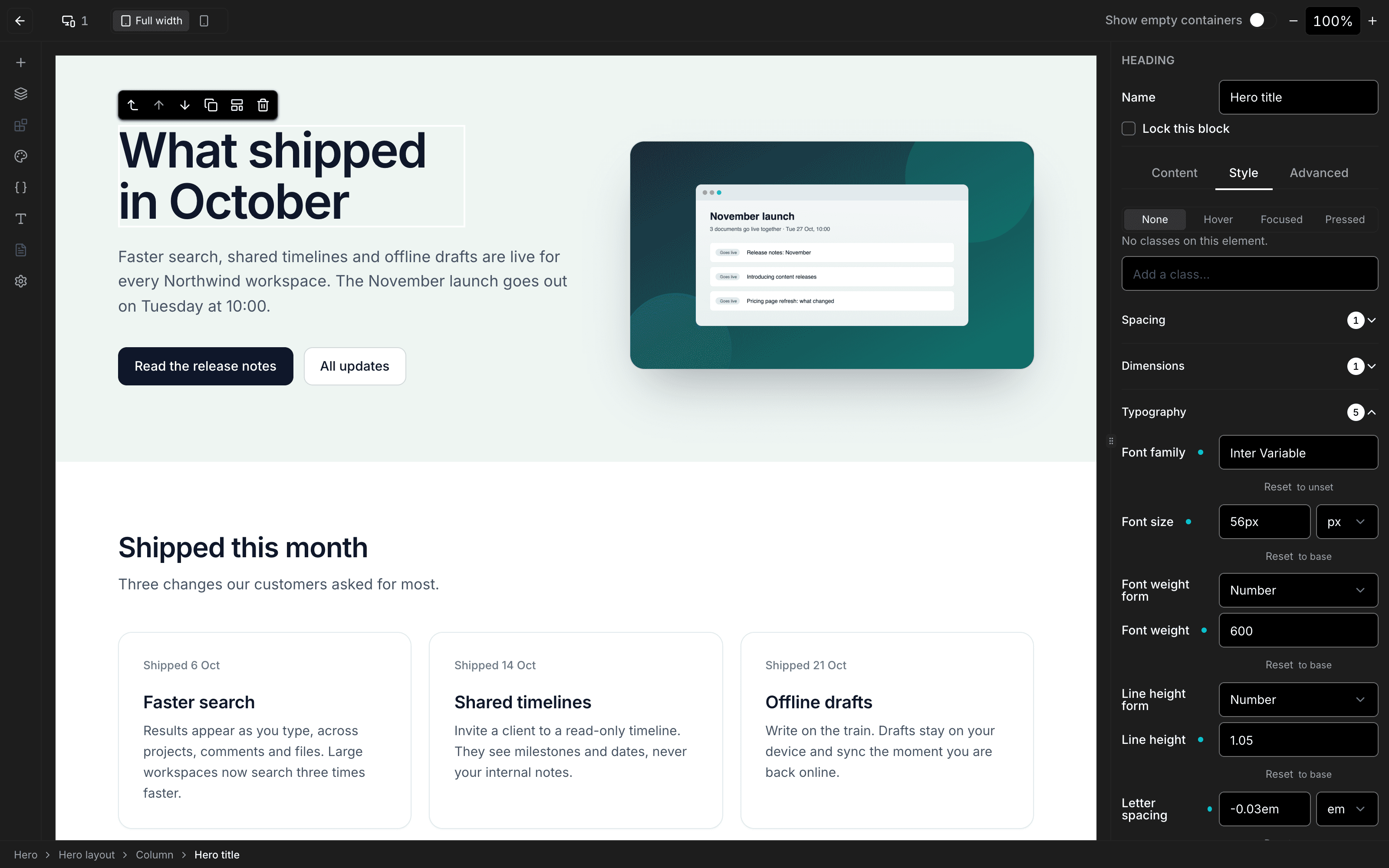
Build pages
The Visual Page Builder's canvas draws your page with the same React renderer that serves it.
Visual Page Builder docs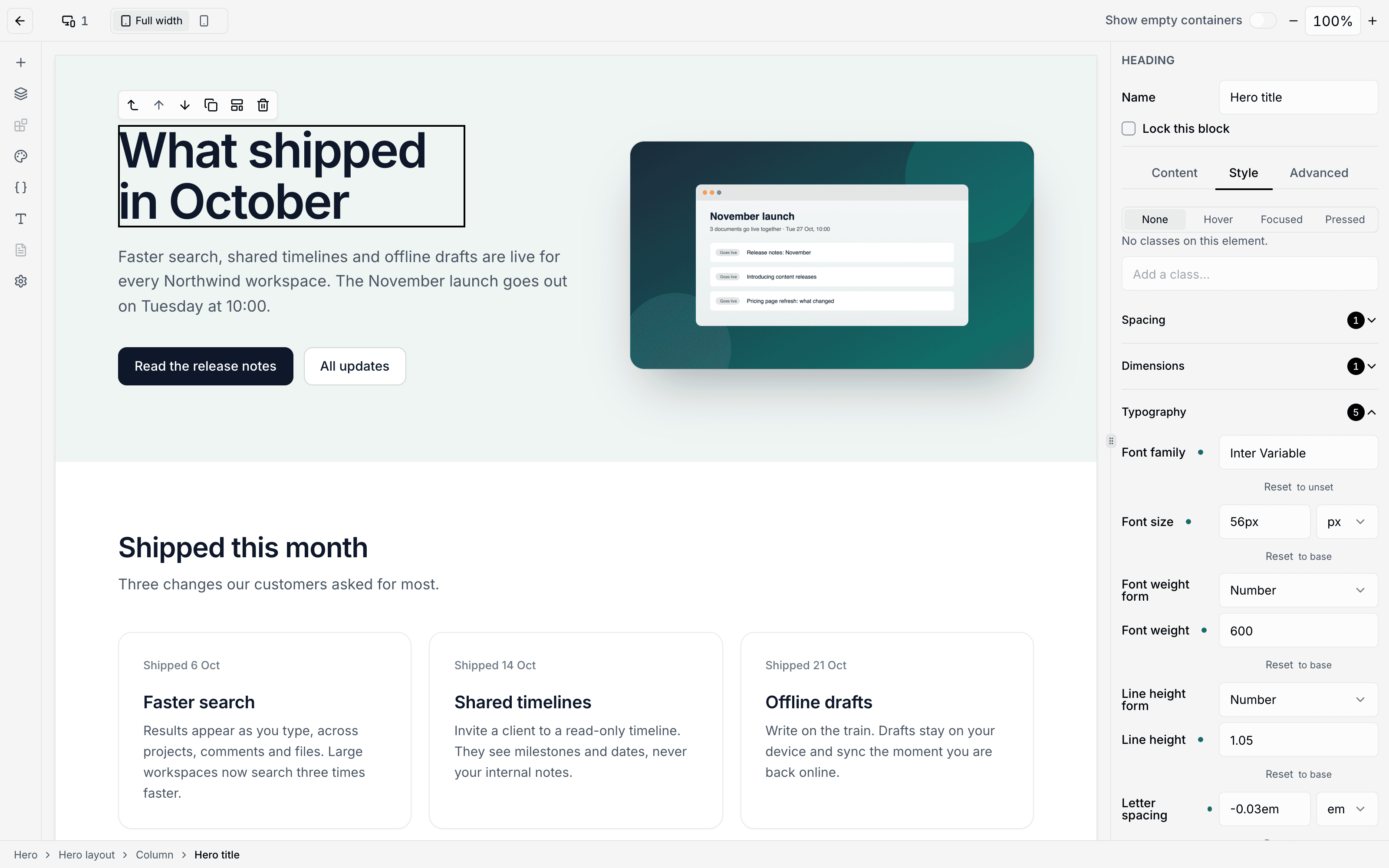
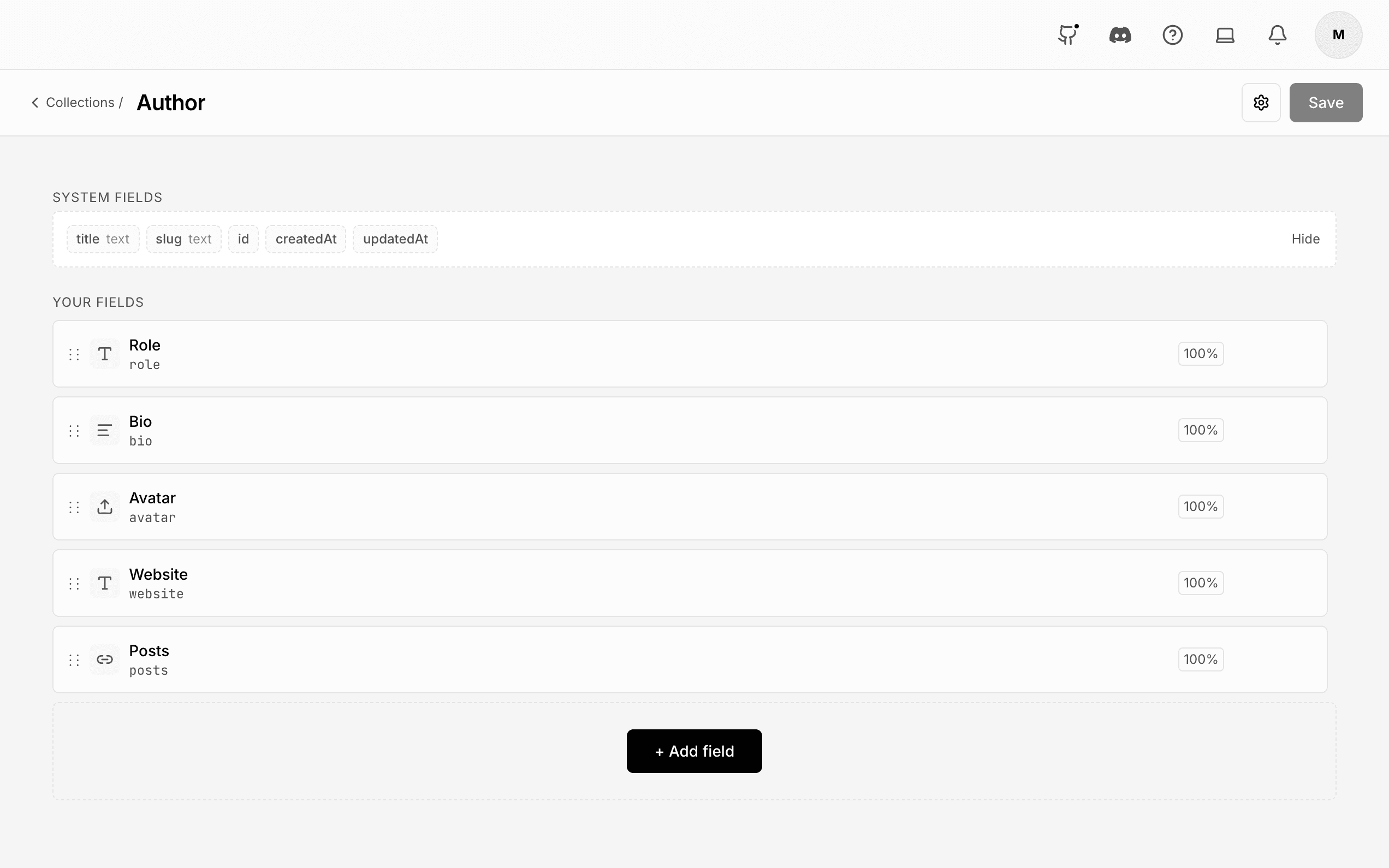
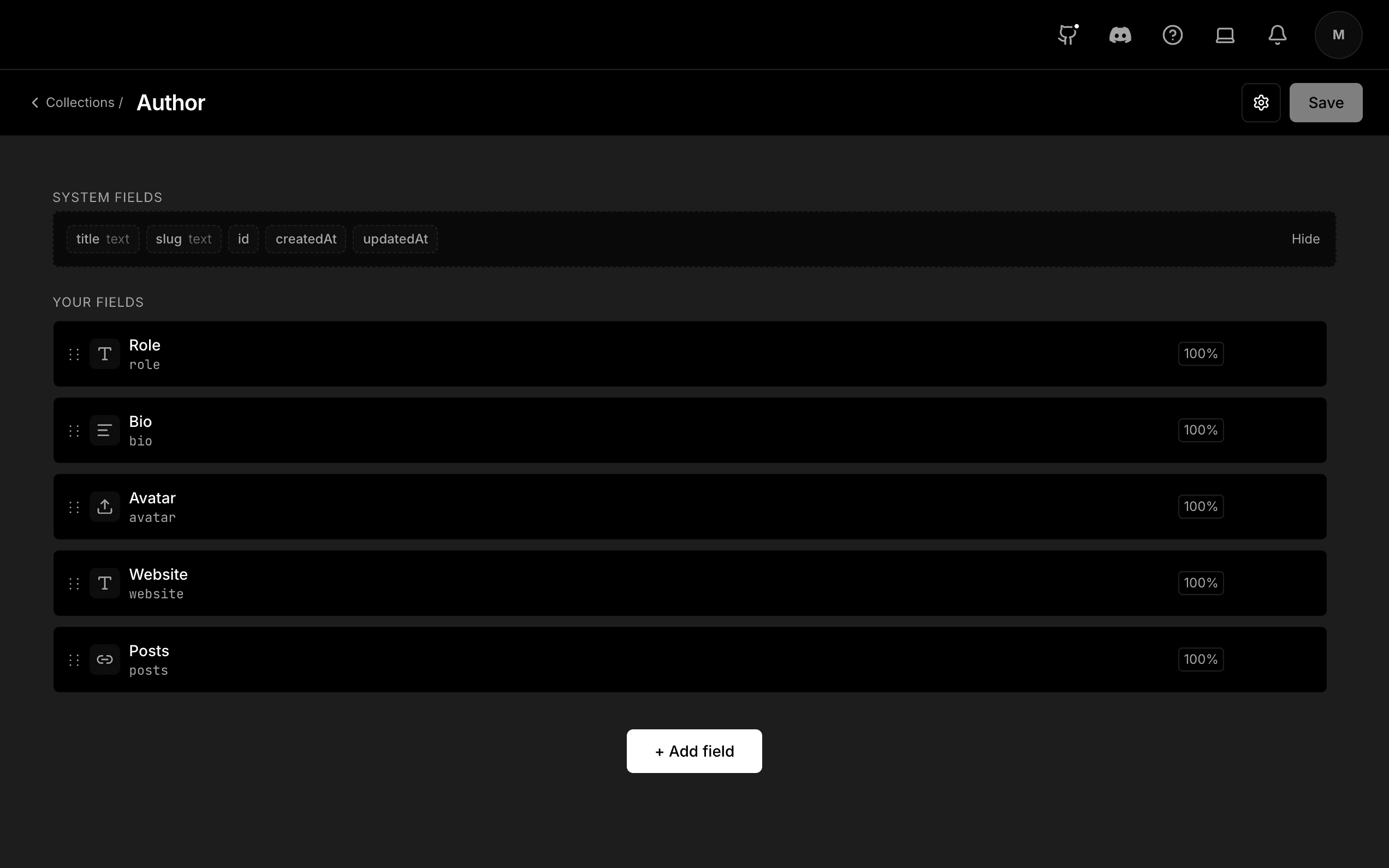
Model content
Define collections and singles in TypeScript, or design them in the Visual Schema Builder on your development instance.
Collections docs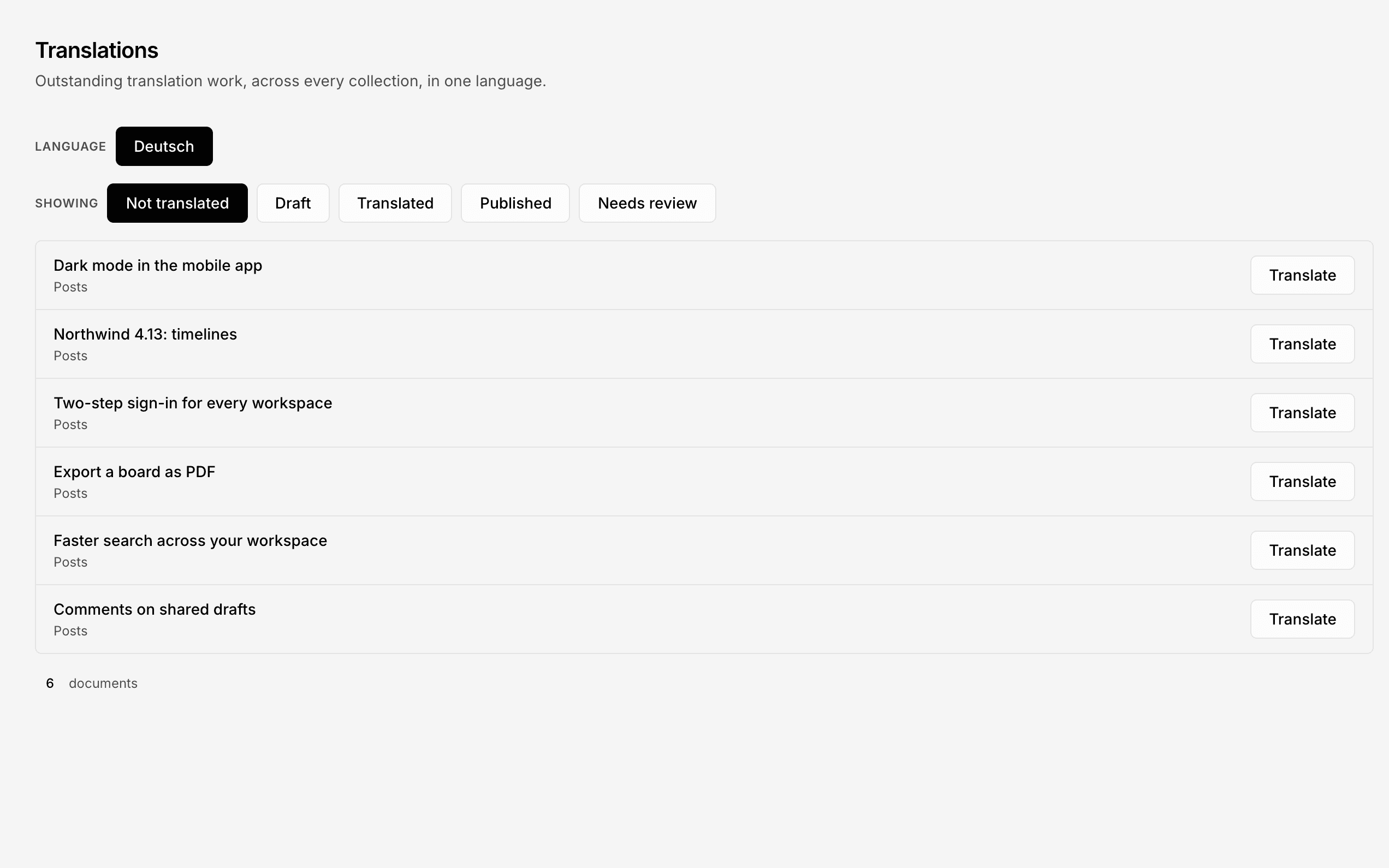
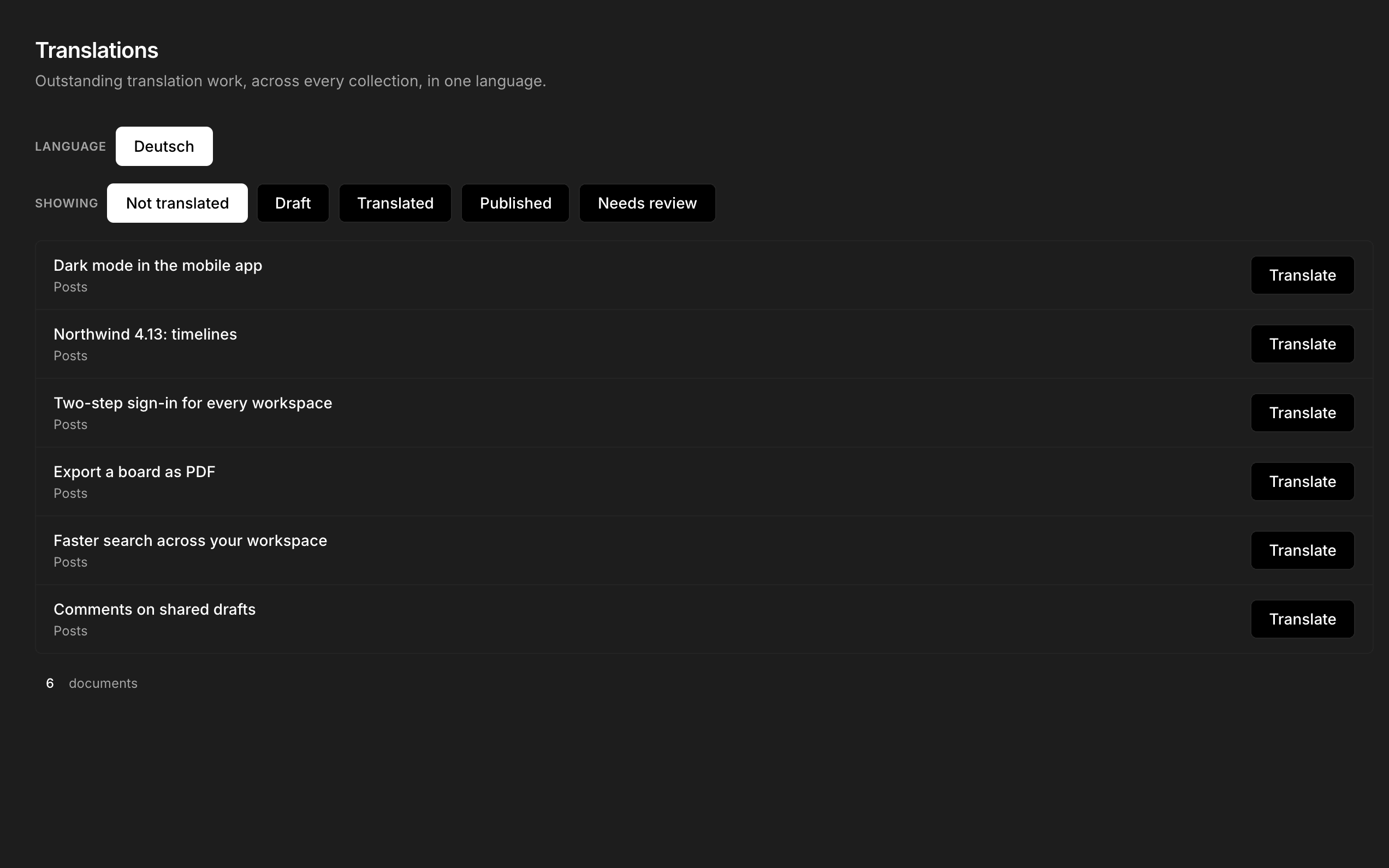
Translate
Translate collections, singles and components, with a fallback language when a translation is missing.
Localization docs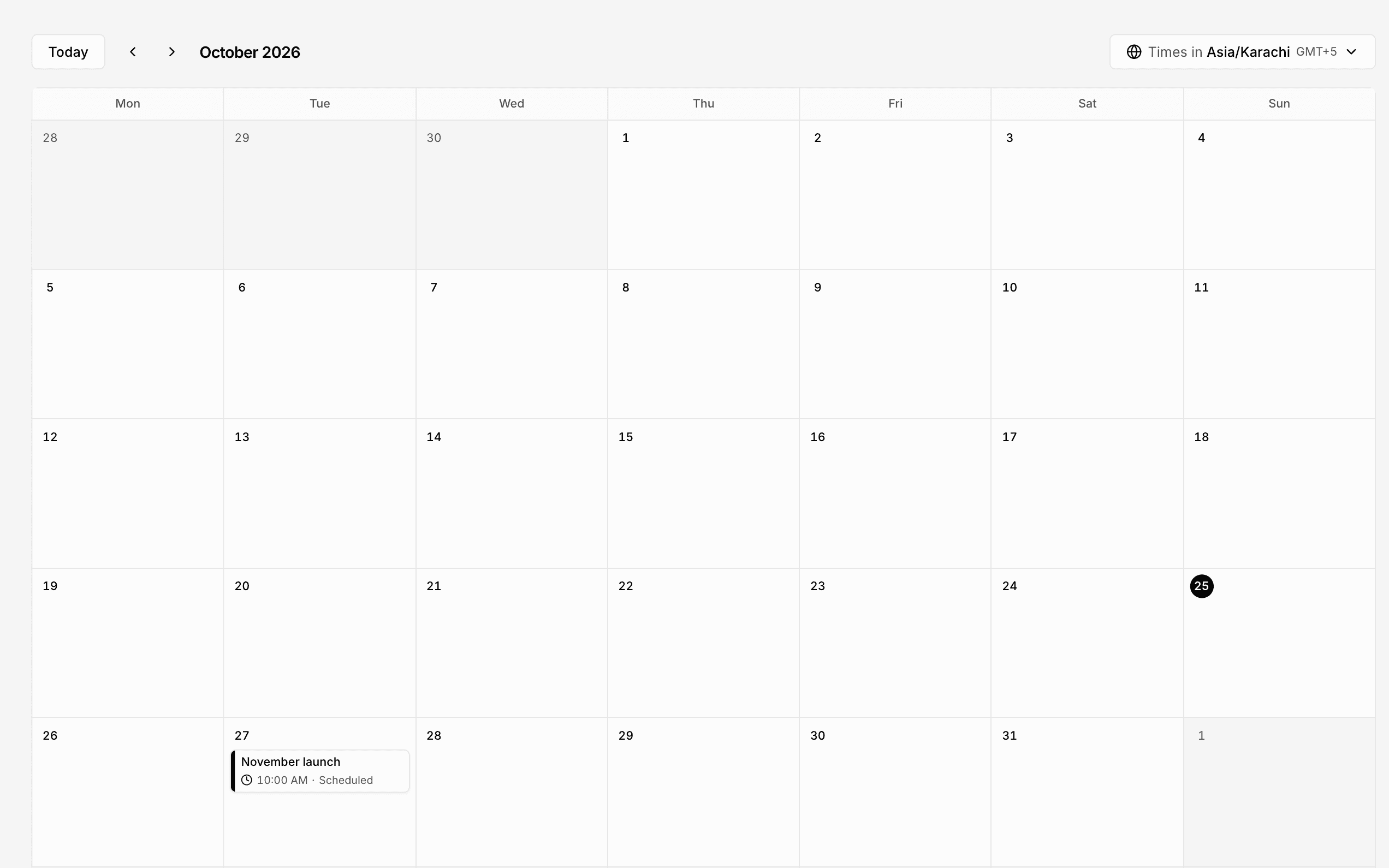

Publish together
Group up to 200 documents' changes into a Content Release and publish them together at a time you choose, with a scheduler configured.
Content Releases docs
03 · If you know Directus
Directus's terms, and the nearest idea in Nextly
Terms from Directus's docs, checked 24 Oct 2026
- Directus term: Collections (opens in a new tab)
- Nearest idea in Nextly: Collections
- Directus term: Singleton (opens in a new tab)
- Nearest idea in Nextly: Singles
- Directus term: Data Studio (opens in a new tab)
- Nearest idea in Nextly: The Nextly admin
- Directus term: Roles, Policies, Permissions (opens in a new tab)
- Nearest idea in Nextly: Roles and access rules
- Directus term: Hooks (opens in a new tab)
- Nearest idea in Nextly: Hooks
- Directus term: Content Versioning (opens in a new tab)
- Nearest idea in Nextly: Versions and drafts
- Directus term: Translations (opens in a new tab)
- Nearest idea in Nextly: Localization
- Directus term: GraphQL (opens in a new tab)
- Nearest idea in Nextly: None: REST and the Direct API
04 · Where Nextly is today
Before you start
Plain facts about Nextly 0.0.2-alpha.72, so nothing surprises you later.
- Status
- Nextly is in alpha. APIs may change before 1.0. Pin exact versions in production.
- APIs
- REST and the Direct API. There is no GraphQL API.
- Hosting
- Self-hosted. MIT today, and no decision yet about paid offerings.
- Server reads
- The Direct API runs as trusted server code and skips access rules unless you pass
overrideAccess: false. Called that way with nouser, it is judged as a signed-out visitor: it can read where no rule names the read, and a create, update or delete needs a rule that allows it. - Coding agents
- Every new Nextly project ships with an AGENTS.md and CLAUDE.md written for coding agents. The MCP plugin is experimental, off by default and read-only.
- Moving a project
- There is no import tool. Collections are defined again, and content moved in through the Direct API or REST.
05 · Directus, checked
Facts about Directus
Each line comes from Directus's own pages or repository. Where we have not checked something, we say so and link to their docs.
| Topic | Directus | Source |
|---|---|---|
| Licence | Monospace Sustainable Core License 1.0 (MSCL-1.0-GPL) | Source [1] |
| Written in | TypeScript | Source [1] |
| Open Innovation Grant | “Organizations under $5M in annual revenue and 50 employees can use Directus for free under the Open Innovation Grant.” (opens in a new tab) | Source [2] |
| Databases | The LTS versions of PostgreSQL, MySQL, SQLite, MS SQL Server, MariaDB, CockroachDB and OracleDB | Source [3] |
| APIs | REST, GraphQL and a JavaScript SDK are documented | Source [4] |
| Existing databases | REST endpoints and a GraphQL schema are generated from the connected database (“database mirroring”) | Source [4] |
| Managed hosting | Directus Cloud, or self-hosting with Docker | Source [5] |
| Current release | 12.5.1 on npm latest | Source [6] |
Sources
- [1]github.com/directus/directus (licence, language) (opens in a new tab)
- [2]github.com/directus/directus (README) (opens in a new tab)
- [3]directus.com/docs/self-hosting/requirements (opens in a new tab)
- [4]directus.com/docs/api (opens in a new tab)
- [5]directus.com/docs/getting-started/overview (opens in a new tab)
- [6]npmjs.com/package/directus (dist-tags) (opens in a new tab)
06 · Questions
Questions
Is Nextly free?
Nextly is MIT licensed and self-hosted. MIT today, and no decision yet about paid offerings.
Can I move a Directus project to Nextly?
There is no import tool. You define your collections again in Nextly, in TypeScript or in the Visual Schema Builder, and move the data yourself.
Does Nextly run inside my Next.js app?
Yes. Nextly runs inside your own Next.js app, on your own PostgreSQL or MySQL database, or SQLite for local work.
Is Nextly written in TypeScript?
Yes. Nextly is written in TypeScript.